


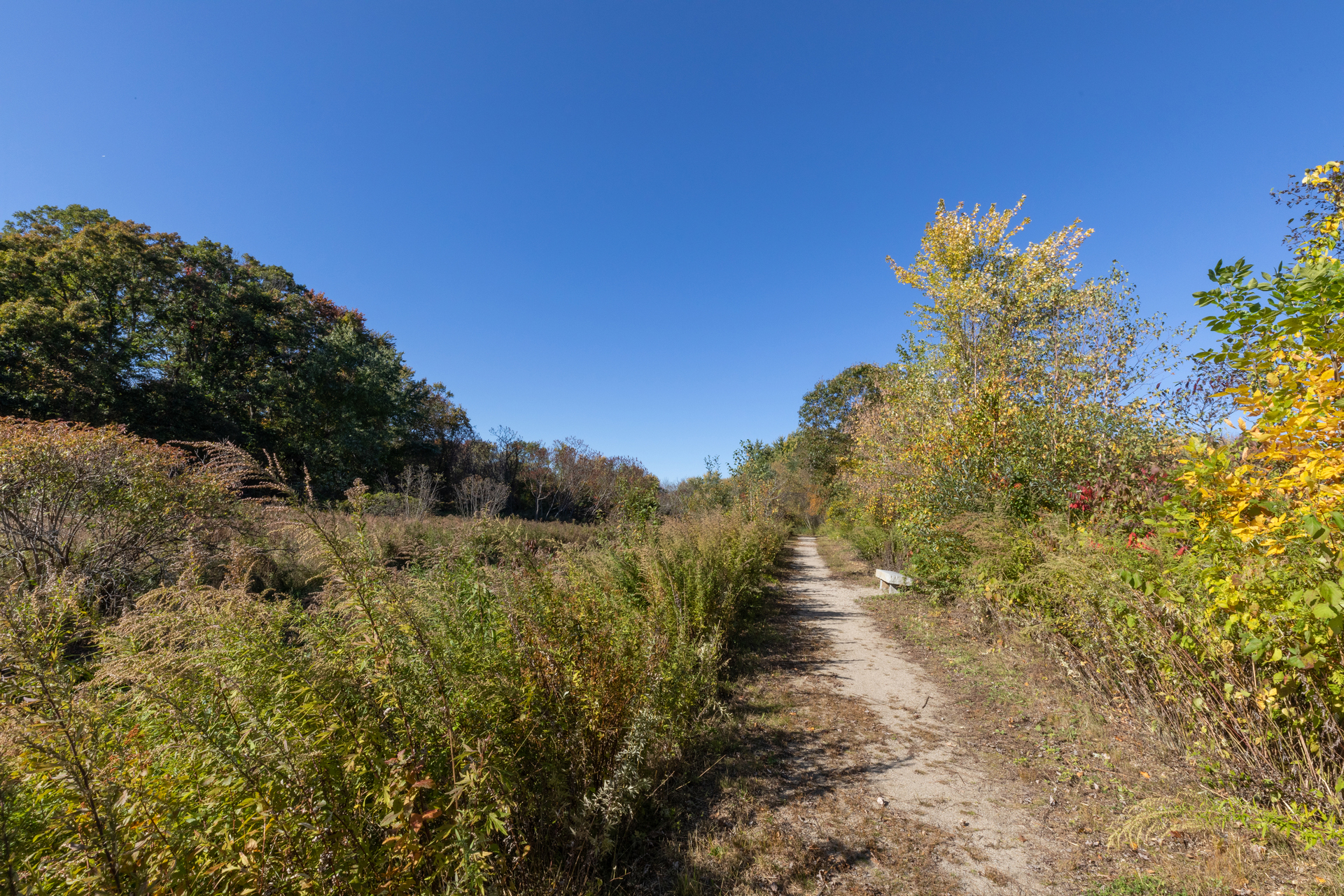
Broad Meadow Brook Stream Restoration Project
Situated at the headwaters of the Blackstone River watershed, Broad Meadow Brook is fed primarily by the City of Worcester’s urban storm drain system. Abutting the sanctuary are residential neighborhoods, including Environmental Justice communities, that experience localized flooding.
Typically, wetlands like the 40-acre wetland at Broad Meadow Brook, help reduce flooding by providing an area where excess water can spread out and be released gradually back to streams.
At Broad Meadow Brook, however, this function has been severely degraded by altered water flows, poor water quality, and invasive plants. This altered aquatic environment also harms the wildlife that rely on clean water.
Wetland and stream restoration at Broad Meadow Brook is essential to develop a self-sustaining, dynamic wetland ecosystem and improve cultural benefits such as recreation and sense of place.
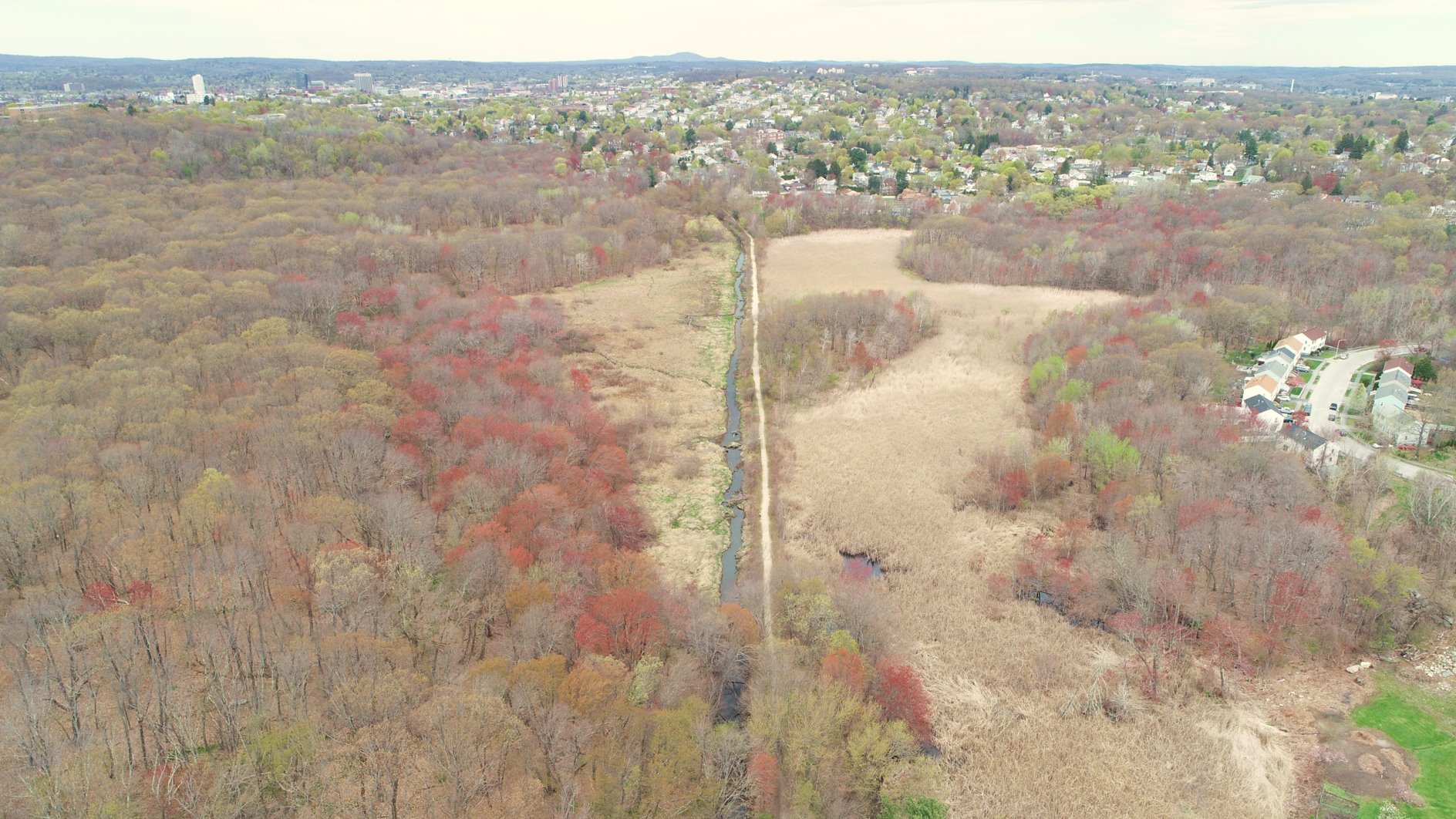
How to Restore the Brook
Removing invasive species and man-made barriers will naturalize the movement of water, improve biodiversity, and repair floodplain connectivity.
Invasive Removal
Common reed (Phragmites australis) is an invasive grass that flourishes in wetlands, roadsides, and agricultural ditches. On the east side of the stream there is a large and dense patch of common reed visible from the Troiano Trail. A comprehensive management approach will be taken to redusee the common reed and a thorough maintenance plan will be followed to prevent future growth and colonization.
Removing Man Made Barriers
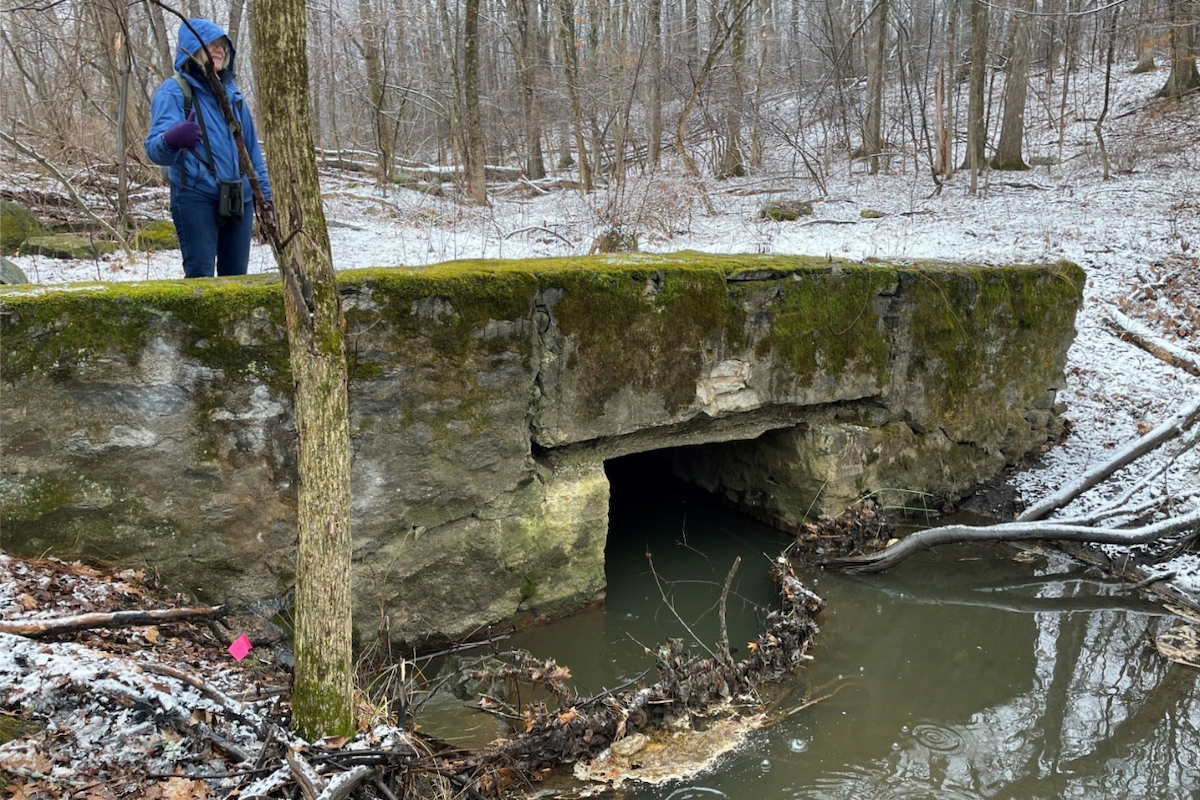
Towards the end of the Troiano Trail there is a 500 ft. culvert that was built in the 1920s where the stream goes underground. Removing the culvert, or “daylighting” the area and exposing the stream will help restore the riparian connection and hopefully encourage wildlife to thrive.
The causeway also parallels an existing municipal sewer force main that was installed in the 1930s and discontinued from service in 2019. Removal of this will also coincide with restoration plans.
Stream Naturalization
Watershed conditions, such as a high degree of impervious surface and the rapid concentration of storm runoff into pipes, is the largest factor in the fast and flashy flows and elevated water temperatures in the stream. Stream flows can reach up to 5-10 cubic feet per second (cf/s) during extreme rainfall events. This flashiness prevents pollutants from being captured and processed by the wetland system, increasing erosion, as well as water pollution. Naturalizing the stream will consist of using machinery to reorient the stream to mimic natural flows and curves in a naturally occurring stream. Doing this will improve water quality and wildlife habitat, enhance aesthetic value, and enhance floodplain function.
Stormwater Management
As current climate trends continue, neighborhood flooding events are expected to worsen. A long-term, watershed-wide strategy is needed to reduce chronic flood risk. Part of this project will implement new stormwater management features—green infrastructure—that may use plants and other landscape elements to capture and infiltrate runoff, while alterations to the in-street storm drain network—gray infrastructure—is being considered.
Partners & Funding
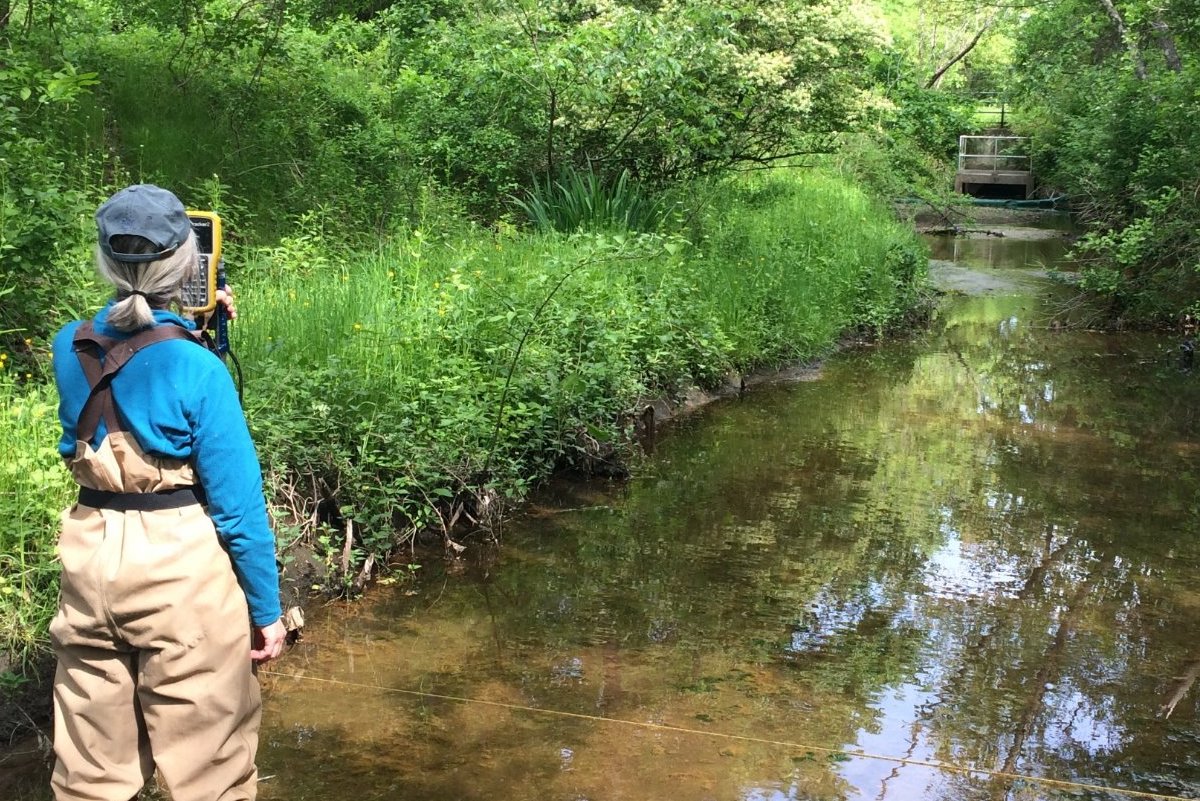
This project is made possible by our ongoing partnership with the Department of Ecological Restoration, City of Worcester, the Environmental Protection Agency, and Blackstone Rivers Watershed Collaborative. Working with school communities such as Rice Square Elementary School and Worcester East Middle School on green infrastructure projects is vital to reducing flooding in the upper watershed neighborhoods.
Key support for project conceptualization and design has been provided by the Narragansett Bay Estuary Program, Environmental Protection Agency’s Southeast New England Program (SNEP) and Southeast Opportunity to Advance Resilience (SOAR), and the Division of Ecological Restoration.
SNEP, both directly and through Restore American’s Estuaries, has been the primary funding source for engineering analysis and design both for work focused on the Broad Meadow Brook wetland/stream system, and within the Brook’s watershed.
Community Engagement
The stream restoration project is actively engaging the community to incorporate local perspectives and share the importance of wetland restoration. Read more about what this means and how you can get involved
Stay Connected with Broad Meadow Brook
Don't miss a beat on all the ways you can get outdoors, celebrate nature, and get involved.